When planning your wedding or special event, one of the trickiest questions couples face is: “Who to tip?”
Between the florist, band, bartenders, and banquet staff, gratuity etiquette can feel like a maze. While there’s no universal rulebook, understanding the difference between a service charge, an administration fee, and a true gratuity can help you navigate this often-confusing part of event planning with confidence and who to tip.
At the Tiffany Ballroom in Norwood in MA, we know how overwhelming wedding planning can be, and that includes figuring out who to thank (and how) for their hard work. Here’s our guide to help make tipping simple and stress-free.
Why Tipping Can Be So Confusing
Unlike a restaurant bill, where tipping 20% is standard, weddings involve multiple vendors each with different tipping expectations. Some are owners who set their own pricing (and may not expect a tip), while others are service staff who rely on gratuities as part of their income.
To complicate things further, venues and caterers often include service charges or administrative fees in their contracts, but those fees don’t always mean what you think they do.
Service Charge vs. Administrative Fee: What’s the Difference?
It’s a common misconception that every line item labeled “service charge” is a tip. In reality, these fees vary widely from venue to venue. In Massachusetts, the total proceeds of a service charge or gratuity is exclusively distributed to waitstaff, service employees, and service bartenders. This law, known as the Massachusetts Tips Act, prevents owners, managers, and supervisors from keeping any portion of these charge
Service Charge:
At most full-service venues like the Tiffany Ballroom, a service charge is a mandatory percentage (often 18–22%) added to your food and beverage total. This amount is required by MA law to be paid directly to the service employees working your event.
Administrative Fee:
This charge is used to cover non-labor expenses such as, insurance, and operational overhead. It ensures that your event runs smoothly, it does not get paid out to staff so it is not a tip.
When searching for a venue or caterer, ask how these charges are distributed so you know who is covered by the fees. At the Tiffany Ballroom, transparency is key and we’re happy to explain how your service charge supports our team.
What To Tip and Who to Consider Tipping at Your Event
While every couple’s vendor list is unique, here’s a general guide to help you show appreciation to the people who bring your celebration to life:
Venue Staff
If your venue already includes a service charge, ( like the Tiffany Ballroom) additional tipping is optional. However, many couples choose to give $50–$100
each to standout team members such as the banquet captain or lead server who went above and beyond.
Managers in Massachusetts are not tipped employees. For example, a wedding coordinator, sales manager or banquet manager, does not receive gratuity from the service charge. Similarly, your banquet manager, who oversees setup and ensures a seamless event flow, is not a tipped employee. Typical tips for these positions range from $100-$300 based on the level of involvement. A personal thank-you note or review mentioning their name is always appreciated as well.
Coordinator
For a day of coordinator, plan to tip between $200-$300 depending on how much set up and breakdown you have for them to do. For a Full Service planner, between $350-$600 is a typical range.
Bartenders
If bar service is part of your package, gratuity may already be included. On an open bar, expect to have an additional service charge and administrative fee added on. For a cash bar, a tip jar will typically be included for your guests. If not, plan on 15-20% of the total bar bill or include an additional $50–$100 per bartender for excellent service.
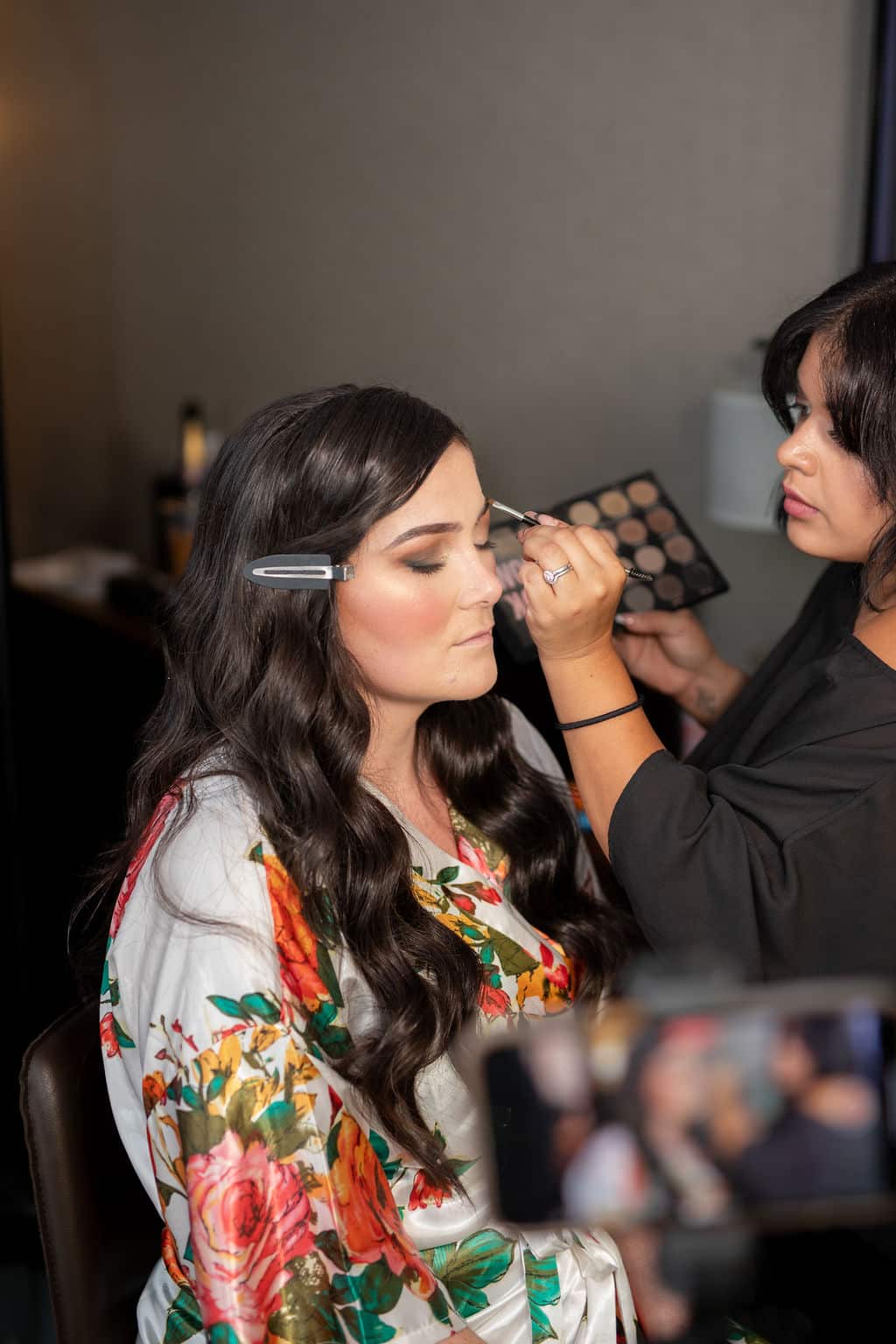
Hair & Makeup Artists
For beauty services, follow salon etiquette typically 18–20% of the total.
Entertainment
For DJs and bands, a $100–$200 tip is standard, or 10% of the entertainment fee if you’d like to be more generous. If the band has multiple members, consider splitting the amount between them.
Photographer & Videographer
If your photographer or videographer owns their business, tipping is optional. If they’re part of a larger company, consider $50–$200 for each team member who worked your event.
Florist, Cake & Delivery Staff
Your florist and bakery owners typically set their own pricing, so tips aren’t required for them directly. However, if delivery staff or setup teams are dropping off floral arrangements, centerpieces, or your wedding cake, a $10–$20 per person tip is a thoughtful gesture for their time and care.
Valet, Coat Check & Transportation
It’s customary to tip $1–$2 per guest for valet or coat check attendants and 15– 20% of the total fare for chauffeurs or shuttle drivers.
When and How to Deliver Tips
To avoid last-minute stress, prepare labeled envelopes before your event. Assign a trusted person like your planner or a parent to hand them out at the end of the night. Many couples include a short thank-you note or signed card for a personal touch.
Final Thoughts: Thoughtful Gratitude Goes a Long Way
At the end of the day, who to tip is about gratitude, not obligation. Every vendor plays a role in creating your dream day, and acknowledging their hard work whether through a financial tip, glowing review, or heartfelt thank-you makes a lasting impression.
Planning a wedding involves many moving parts, but you don’t have to navigate it alone. The team at the Tiffany Ballroom in Norwood is here to make every detail, from tipping etiquette to timeline planning, simple and stress-free.
Schedule a tour today to discover how our full-service team makes wedding planning effortless from start to finish.